 Kalavryta Hospital Unit

Welcome to the digital assistant of the Eastern Achaia Hospital. The digital assistant (chatbot) is an Artificial Intelligence (AI) application designed to help you find the relevant information by scanning our hospital's website.
The information provided is general and may not be complete or accurate. It does not constitute professional or specialized advice.
The owner and administrator of the website are not liable for any damage or consequences resulting from the use of or reliance on the system's responses. Users should independently verify any information before relying on it.
By continuing to use the service, you acknowledge that you are interacting with an automated system and accept its use at your own risk. If you do not agree, please do not use the service.
Blood Bank & Blood Donation Unit
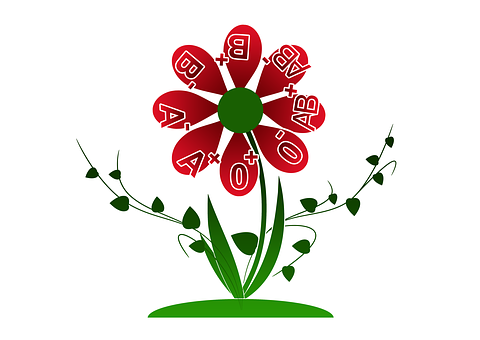
Blood collection is performed: Monday–Friday: 08:30–13:30
Phone: 26913-60456
Kazani Maria (Head Nurse of the Unit) email: aimodosia@gnaigio.gr
Apostolopoulou Georgia
Koumoutsou Angeliki
Fotopoulou Georgia
Bagiioneta Sofia
Androutsopoulou Androniki
Ground Floor (Level 0)
- Please bring your AMKA number and an official ID document (ID card or Passport).
- At least 6 hours of sleep the night before.
- A light breakfast, or ensure at least 2 hours have passed after a full meal.
- Plenty of fluids (non-alcoholic) before and after donation.
The annual blood needs in Greece amount to approximately 700,000 units.
- A severely polytrauma patient may require 10 to 40 units of blood. It should be noted that Greece has a significantly higher rate of road traffic accidents compared to other European countries.
- Two out of every ten hospitalised patients require a blood transfusion.
- In certain special cases, a single patient may require more than 10 units, such as in cardiac surgery, uterine rupture or other haemorrhage during childbirth, severe gastrointestinal bleeding, etc.
- A patient with thalassaemia requires approximately 48 units of blood per year.
- A patient with leukaemia may need more than 50 units of blood or platelets. Blood shortages lead to prolonged hospital stays, postponement of surgeries, and significant psychological and social impact for patients and their families.
To ensure a stable blood supply in Greece, at least 10% of the population should donate blood once a year. A more practical solution would be for approximately 300,000 citizens out of the country’s 11 million to become regular voluntary blood donors, giving blood 2–3 times a year, or at least being available to respond in an emergency.
For more information, visit the website of the National Blood Donation Centre (EKEA)